Learning Objectives
- Define a computer
- Describe the Information Processing Cycle
- List the different computer components
- Discuss some advantages and disadvantages of using computers
- Differentiate hardware and software
- Enumerate the different categories of computers
What is a Computer?
A computer is an electronic device that stores, processes, and retrieves data. Below is a link that helps us differentiate an electronic and electrical device. One example of a computer is a smartphone. You use your smartphone to take some selfies. Your input is your face. Once you click to capture the photo, it will process an image that should look like face, and the output is a your picture. So basically, computer uses the principle of general systems theory of Von Bertalanffy in 1940s. Remember, when the term Information Processing Cycle is mentioned, it simply means Input -> Process -> Output.
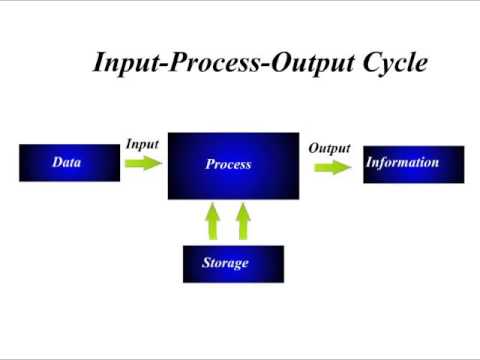
Data simply means unorganized raw facts while information is processed data.
Components of a Computer System
Input device – it is any hardware that sends data or allows data to enter into a computer. A typical will be a keyboard.
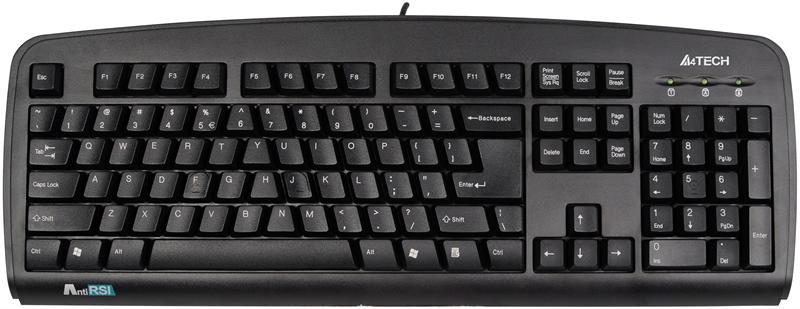
Note: remember to buy ergonomic keyboard to lessen the stress in your hands. If you’ll look closely at the keyboard, you might notice that the letters are a bit slanting forming an A-shape. It promotes natural typing position to avoid strain injury in your hands.
Output device – it is any peripheral that conveys information to people in the form of projection or physical reproduction. A good example is a computer monitor.

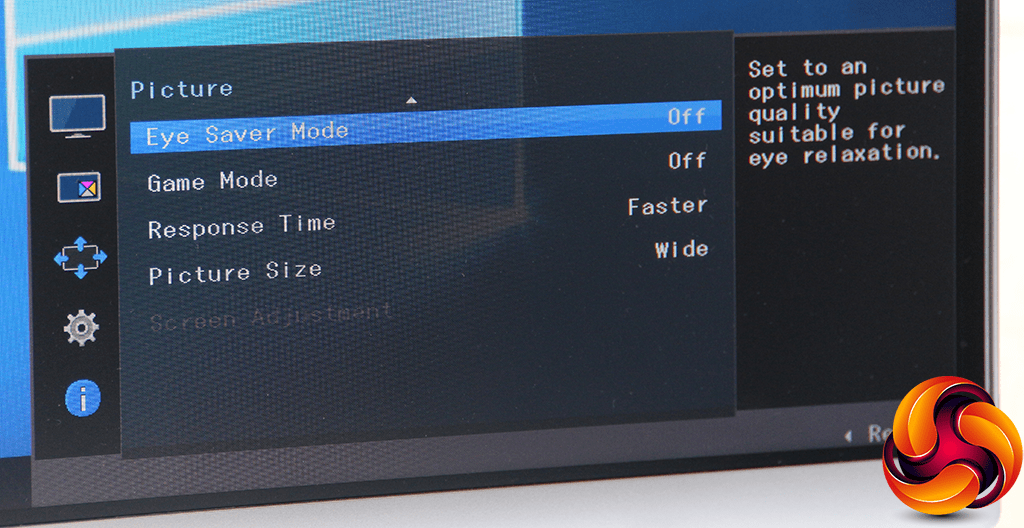
You might consider a monitor with built-in eye saver mode to lessen the strain in your eyes because blue-light emitted by LED has some harmful effects on your eyes.
Storage device – it is one of the core components of computing devices that is used for storing data. It records(writes) and retrieves(read) data from storage media. We have primary and secondary type of storage but for now, our example is a Solid State Drive (SSD).
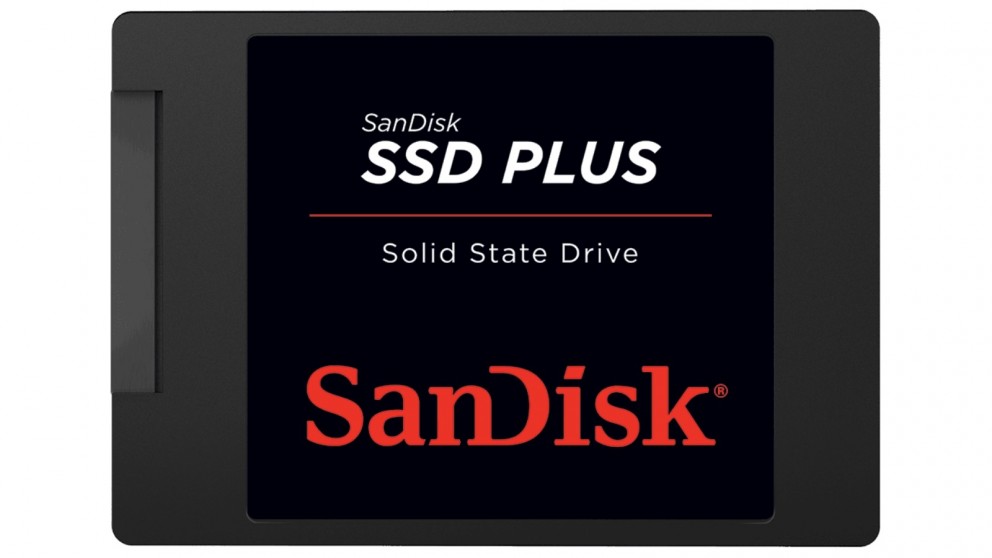
We have HDD and SSD as our secondary storage in our computers. HDD uses mechanical parts which is not present in SSD. As a result SSD is noiseless because of the absence of moving parts and more energy efficient. For more information about their difference, visit SSD vs HDD forum.
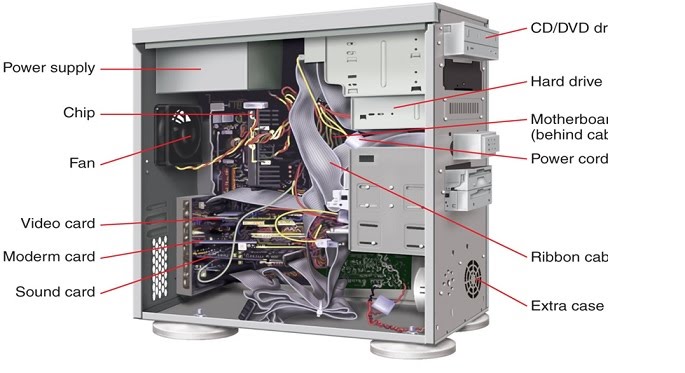
System unit – it is a case that contains computer components. If is often called a pc but that term is incorrect. A pc is just a microprocessor, a small chip.
Communication device – is any type of hardware that is capable of transmitting and receiving data.
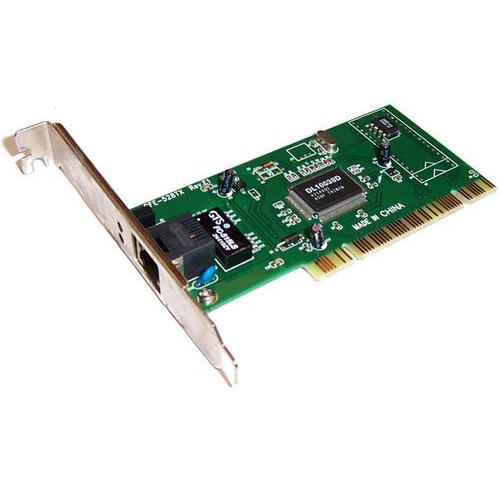
The picture above is a network interface card. It is used by computers to connect to a network and internet.
Advantages and disadvantages of using computers
Advantages
- Speed – it helps humans complete task easier.
- Reliability – it performs according to its specification.
- Consistency – a computer will always produce the same result based on input.
- Storage – it’s a low cost solution.
- Communications – communicate to other computers.
Disadvantages
- Health Risk – prolonged use of computer might result to hand injuries and decline in vision.
- Violation of Privacy – data is not completely secured and might get stolen or illegally intercepted.
- Public Safety – too much exposure of information might have its drawback.
- Impact on Labor Force – reduction on employment opportunity.
- Impact on Environment – it causes water contamination and air pollution.
Hardware vs Software
A hardware is simply means the tangible(things you can touch) parts of a computer system. Example is a mouse, keyboard, monitor, system unit, speaker, headset etc.
A software is the intangible(cannot be touched) parts of a computer system. Example is your Operating System (Windows, Mac, Android, iOS) and other applications.
Categories of computers
- Super computers
- Mainframes
- Minicomputers
- Microcomputers
- Mobile computers
For detailed explanation visit categories of computers.
Kindly visit Duyor Review and Tutorial Center. Thank you!

